Where Can I Sell a Rolex in Beverly Hills Without the Awkward Pawn Shop Vibe?
You can sell a Rolex in Beverly Hills without walking into a place that makes you feel rushed, judged, or pressured to accept the first number someone offers. Look for a specialist who explains how they evaluate your watch, gives you a clear choice between selling and borrowing, and lets you review the terms before you commit.
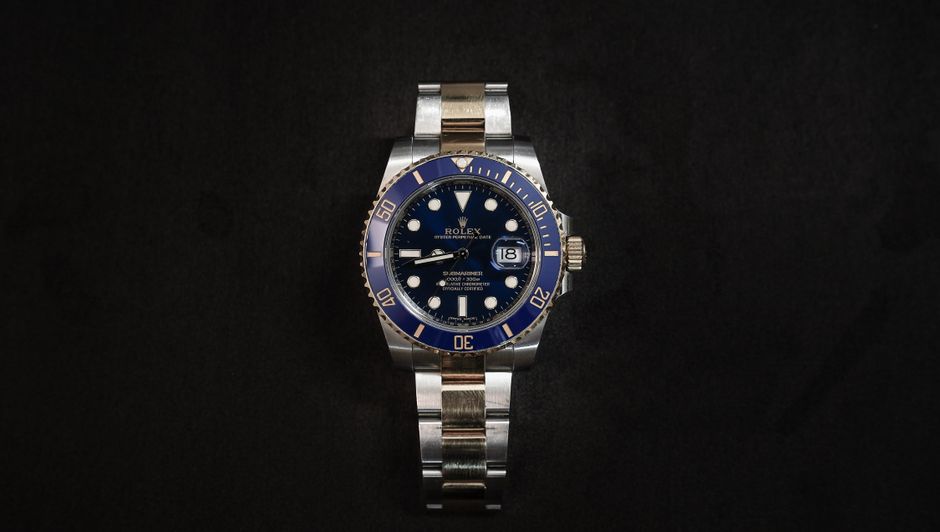
Before anyone talks numbers, gather the box and papers, if you have them. Also bring service records, extra links, receipts, and any accessories that came with the watch. These items do not guarantee a higher offer, but they help establish the watch’s history and make a proper evaluation easier.
If you’re searching for a sell rolex beverly hills option, focus less on a polished showroom and more on the process behind the offer. A reputable rolex buyer beverly hills should discuss authentication, condition grading, and pricing from live secondary-market data in plain language. You should understand what you’re being offered, what alternatives exist, and how quickly you’ll receive funds.
Start With the Kind of Transaction You Want
“Selling a Rolex” can mean several different things. You might want an outright sale and prompt payment. You might prefer to borrow against your watch while keeping ownership. Or you might consign it in pursuit of a higher potential return, knowing that the process can take longer and the final result remains uncertain.
Those options suit different priorities. Decide what matters most before you compare offers: speed, certainty, continued ownership, or the possibility of a better eventual price. A thoughtful buyer or advisor will help you compare the trade-offs without treating every watch or every seller the same way.
Option Best for What to consider Outright sale Speed and a known amount You give up ownership, but you can agree on payment and timing upfront. Loan against the watch Short-term cash while retaining ownership Review interest, fees, repayment dates, and what happens if you cannot repay on time. Consignment A chance at higher potential proceeds It takes time, the sale is not guaranteed, and the agreement determines your net proceeds.Option One: Sell Outright for Speed and Certainty
An outright sale is usually the clearest route if you want to turn the watch into money without waiting for a future buyer. The buyer evaluates the Rolex, presents an offer, and, if you accept, completes the transaction under agreed read more terms. Ask when the payment will arrive, how the buyer will send it, and whether the offer depends on any additional inspection.
The benefit is certainty. Once you understand and accept the final offer, you can plan around the proceeds instead of wondering when a consignment sale might happen. You also avoid managing listings, arranging viewings, answering questions from prospective buyers, or negotiating with strangers.
The trade-off: a dealer needs room to authenticate, service or prepare the watch if needed, and resell it. That business model can produce an offer below the price a private buyer might pay. A lower offer does not automatically signal bad faith, but the buyer should explain how it reflects the watch’s condition, current demand, and expected resale costs.
Questions to ask before accepting an offer
- Is the offer firm, or can it change after inspection?
- What payment method will you use, and when should I expect funds?
- What condition or documentation assumptions went into the offer?
- Do you charge any fees if I decline after an appraisal?
- Will you provide a receipt that identifies the watch and records the transaction?
For many sellers, an immediate, transparent offer beats a theoretical higher price that requires weeks of effort. Fast cash usually means a discounted offer compared with a patient retail sale. The important question is whether the discount feels reasonable to you in exchange for speed and certainty.
Option Two: Borrow Against the Watch and Keep Ownership
If you need liquidity but do not want to part with a Rolex you plan to keep, ask about borrowing against the watch. A loan lets you use the watch as collateral rather than selling it outright. This can make sense for a temporary cash need, especially when the watch has personal meaning or you expect to reclaim it after repaying the balance.
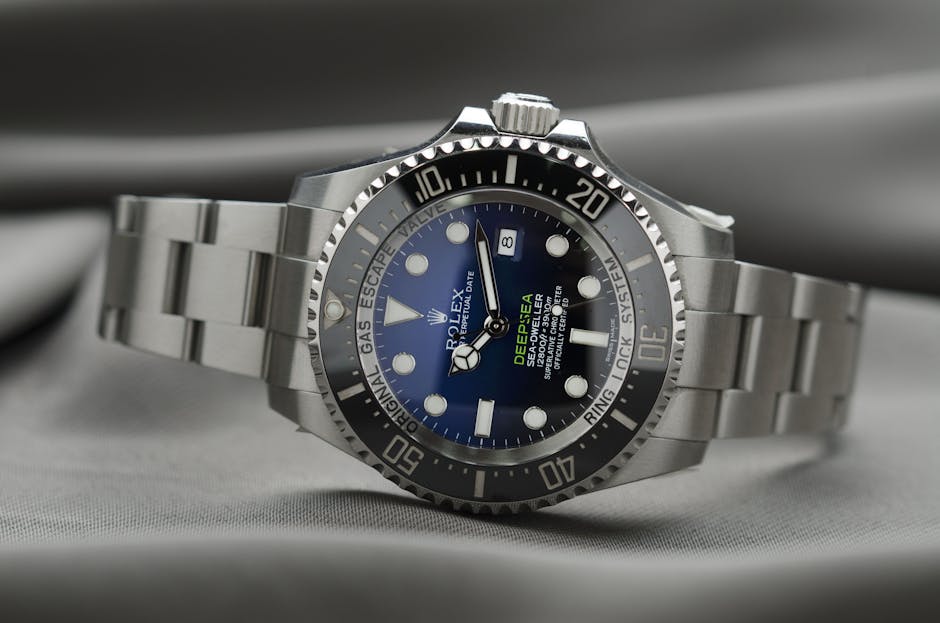
Read the loan terms carefully. Compare the annual interest rate, origination or storage fees, repayment schedule, grace period, and any penalties. Confirm how the lender stores and insures the watch. Ask what happens if you miss a payment or cannot repay by the deadline. You should know the consequences before you leave your watch in anyone’s care.
Borrowing is not a sale, but it is not free access to cash either. If you cannot repay, you may risk losing the watch. Compare the total repayment amount with an outright sale, and think honestly about whether your income and timing make repayment realistic. A responsible provider will explain the terms clearly rather than rushing you through paperwork.
Option Three: Consign for Higher Potential Proceeds
Consignment can offer higher potential proceeds than an immediate dealer purchase because the watch may reach a retail buyer. The consignment business handles some or all of the marketing and sale process, then pays you according to the agreement after a buyer completes the purchase.
That potential comes with time and uncertainty. A consigned watch may take weeks or longer to sell. The market can shift while it sits, and the final amount depends on the sale price, the commission, any agreed costs, and the terms of the contract. Consignment is not instant, and no one should present an optimistic asking price as guaranteed money in your pocket.
Read the consignment agreement closely
- What commission or selling fee will the company deduct?
- Who sets the asking price, and can the price change?
- How long does the agreement last?
- Can you withdraw the watch, and does a return or cancellation fee apply?
- Who insures the Rolex while it stays in the company’s possession?
- When will the company pay you after the sale clears?
Ask for an estimated net proceeds figure, not just a headline retail price. A higher advertised price can look impressive while leaving you with less after commissions and costs. If the watch does not sell, understand how and when you can get it back.
What Drives Rolex Value?
Three fundamentals shape most evaluations: reference, condition, and originality. Box and papers can also help document a watch, but they do not erase condition concerns or make every reference equally desirable. A good appraisal looks at the whole watch rather than relying on a model name alone.
Reference and configuration
The exact reference matters. Two Rolex watches that look similar can differ in production period, materials, movement, dial, bracelet, and collector demand. Even within a well-known line, the reference and configuration can affect value. “A Submariner is a Submariner” is not a useful valuation method. Specific details matter, and so does current buyer interest in that exact example.
Condition
Condition grading should account for the case, bracelet, dial, hands, crystal, bezel, and movement. Scratches and wear are normal on a pre-owned watch. More important questions include whether the case retains its shape, whether components function correctly, and whether the watch has damage or signs of an unsuitable repair.
Ask the evaluator to describe the condition rather than hand you a vague label such as “excellent.” A clear grading process should explain what the evaluator inspected and how any service needs or cosmetic issues affect the offer. Avoid polishing or arranging repairs before an appraisal without first discussing it with a specialist. A well-intended intervention can alter original surfaces or add a cost you may not recover.
Originality and service history
Originality can influence collector interest. A changed dial, replacement hands, aftermarket parts, or an incorrect bezel may affect value, even if the watch looks attractive. A service replacement does not automatically make a watch undesirable, but the evaluator should identify it accurately and explain its effect on pricing.
Bring service papers and repair records if you have them. They can help establish what work a watch has received and when. If you do not have records, say so. An honest account is more useful than guessing about a service or claiming every component is original without evidence.
Look for a Process, Not Just a Number
When comparing a private office appraisal with a counter offer, look for a process you can follow. The office should authenticate the watch, inspect its condition, and explain the basis for its valuation. Pricing from live secondary-market data can help reflect current demand, but a data point is not a promise that your specific watch will sell at that amount. The evaluator still needs to account for condition, originality, completeness, and the difference between a retail listing and a completed transaction.
Ask how the business uses market information. Does it consider comparable sales for the same reference and configuration? Does it distinguish asking prices from realized prices? Can it explain why a specific condition grade, missing accessory, or service need changes the offer? Clear answers help you separate an informed valuation from a number chosen to win your attention.
Authentication matters for both sides. A specialist should inspect the watch and its components before finalizing a transaction. Do not rely only on a box, a warranty card, or a seller’s story as proof. If you plan to meet someone privately, choose a secure setting and confirm how the buyer handles inspection and payment before handing over the watch.
How to Prepare Before You Meet a Rolex Buyer in Beverly Hills
- Gather the watch’s materials. Bring the box, papers, warranty card, receipts, service records, extra links, and accessories you can locate. Missing items do not prevent a sale, but they should be disclosed.
- Record the identifying details. Note the reference and serial information if you can access it safely. Avoid posting identifying details publicly.
- Take clear photos. Photograph the dial, case, bracelet, clasp, and any visible wear. Use the images to describe the watch when arranging an appointment, not as a substitute for in-person inspection.
- Set your priorities. Decide whether you value fast payment, retaining ownership, or a longer selling process with higher potential proceeds.
- Compare more than one option. Ask at least two qualified businesses for a straightforward explanation of their offer or terms. Compare net proceeds and timing, not just the largest number mentioned.
- Do not let urgency make the decision for you. If you feel pressured, take the offer in writing and give yourself time to review it.
What a Comfortable Selling Experience Should Feel Like
A professional conversation should feel discreet and direct. The evaluator should invite questions, explain what they can verify, and distinguish a confirmed offer from a preliminary estimate. You should not have to pretend you know the market, and you should not feel embarrassed for asking what a commission, loan fee, or condition adjustment means.
For the least awkward experience, book an appointment with a specialist rather than walking in unprepared. Ask whether the business buys outright, offers loans, accepts consignments, or focuses on only one option. That simple question helps you avoid spending time with a provider whose business model does not match your needs.
In the end, the right place to sell a Rolex in Beverly Hills is the one that matches your priorities and explains its reasoning. Gather your box and papers, get a credible authentication and condition assessment, and compare terms using current market context. Choose an outright sale when speed and certainty matter most, a loan when keeping ownership matters more, or consignment when you can wait for the possibility of a higher return. A transparent process will not make every offer identical, but it should make your decision feel informed and entirely yours.