What Should I Do If I Do Not Recognize a Carrier Billing Charge?
Discovering an unexpected phone bill charge can leave anyone feeling concerned and confused. Carrier billing—a convenient payment method that charges purchases directly to your mobile phone account—is widely used but sometimes leads to charges users don’t recognize. Whether you are on a pay-as-you-go plan or a monthly contract, understanding how carrier billing works and how to address unexpected charges is essential to protecting your finances and peace of mind.
What Is Carrier Billing?
Carrier billing refers to the process of charging purchases directly to a mobile phone account instead of paying with a traditional credit card or cash. This method allows users to buy digital goods such as apps, games, music, movie rentals, subscriptions, or in-app content without entering credit card details. Instead, the purchase amount appears on their monthly bill or is deducted from their prepaid balance.
How Carrier Billing Works
- User selects a purchase: On participating app stores, websites, or services, users choose carrier billing as a payment option.
- Carrier authorizes the transaction: The mobile network verifies the user's account status and confirms the purchase within seconds.
- Charge appears on bill or prepaid balance: For postpaid customers, the charge is added to the monthly phone bill. For prepaid users, the balance is reduced immediately.
This streamlined process enables quick checkouts with little friction, often eliminating the need for entering sensitive financial data multiple times.
Monthly Contract vs Pay-As-You-Go: Impact on Billing Behavior
Your mobile plan type influences how carrier billing charges show up and how you should approach unexpected charges.
Postpaid (Monthly Contract) Plans
Postpaid subscribers receive a monthly phone bill summarizing all charges—including air time, data, taxes, and carrier billing purchases. Unexpected charges here may appear as “third-party charges” or references to unfamiliar vendors.
Key points for postpaid users:
- All charges accumulate until your billing cycle ends.
- You can dispute charges with your carrier's billing support department.
- Billing statements may have less itemized detail, making some charges harder to identify at first glance.
Prepaid (Pay-As-You-Go) Plans
Prepaid customers pay upfront and have their balance reduced immediately upon purchases. Carrier billing transactions typically deduct from this balance right away.
Key points for prepaid users:
- You may notice unexpected balance reductions in real time.
- Refunds or disputes often require timely communication with carrier billing support.
- Your balance statement or purchase history accessible via the carrier or app store can help track these charges.
Why Do Unexpected Phone Bill Charges Occur?
Despite its convenience, carrier billing sometimes leads to charges that users do not recognize. Common causes include:
- Authorized purchases forgotten: Sometimes users forget small subscriptions, trial periods that auto-renew, or shared accounts where others make purchases.
- Third-party billing: Some merchants bill through carriers but their names on the bill may be different or obscure.
- Fraud and scams: Improperly authorized charges or malicious apps can lead to unauthorized transactions.
- Erroneous charges: Technical glitches or double charges occasionally occur with fast checkout processes.
Because carrier billing leverages the trust users place in their mobile carrier, many users may feel a false sense of security, assuming all charges are verified by the carrier—which is often not the case.
How Checkout Speed and Reduced Friction Affect Billing Awareness
One of carrier billing's biggest advantages is allowing users to complete purchases with minimal steps. While this improves user experience and conversion rates, it can sometimes contribute to a lack of awareness about what exactly was purchased and when.
- Quick approvals: Purchases confirm instantly without requiring re-entering payment data.
- Minimal prompts: Few confirmation screens or detailed receipts may be presented, especially on smaller transactions.
- Auto-renewals and subscriptions: Without clear reminders, subscriptions may renew automatically and appear as recurring charges.
Such factors can make it easier to overlook or misinterpret carrier billing charges until users examine their phone bills closely.

What Should You Do If You Do Not Recognize a Carrier Billing Charge?
Step 1: Review Your Recent Activity and Shared Accounts
Before jumping to conclusions, check whether you or someone with access to your account (family members, shared devices) made the purchase. This includes verifying:
- App store purchase history on your mobile device.
- Subscription services you use that may bill through your carrier.
- Recent app downloads or in-app purchases.
- Prepaid balance changes versus expected usage.
Step 2: Identify the Charge Details
Carriers often list third-party charges with a merchant name, transaction date, or even a contact number. Check your detailed bill online or app for:
- Exact charge amount and date.
- Merchant or vendor name associated with the charge.
- Any reference or authorization code.
This information is helpful for disputes and when contacting billing support.
Step 3: Contact Your Carrier’s Billing Support Immediately
Most carriers provide dedicated billing support channels for questions about unexpected charges. When you contact them:
- Provide your account number, charge details, and identification.
- Explain the charge you do not recognize and ask for more information.
- Inquire about dispute resolution, refunds, or blocking unauthorized purchases.
- Request the carrier to flag your account for potential fraud if suspicious activity is suspected.
Carriers often have specific protocols for investigating unrecognized charges and may reverse fraudulent or erroneous transactions.
Step 4: Report Any Unauthorized or Fraudulent Charges
If you believe the charge resulted from fraud, take additional steps:
- Change your account passwords and PIN codes associated with your phone and carrier account.
- Check app permissions and uninstall any suspicious apps.
- Monitor your account for further unauthorized activity.
- File a complaint with the appropriate consumer protection agencies if necessary.
Step 5: Manage Future Carrier Billing Charges Proactively
To prevent future surprises:
- Review and manage subscriptions tied to your carrier billing.
- Use carriers’ blocking or opt-out options for third-party charges if available.
- Notify family or shared users about proper purchase authorization.
- Regularly check your phone bill or prepaid balance for unfamiliar charges.
Understanding the Limits of Perceived Security and Trust in Carrier Billing
Because carrier billing involves mobile network operators, many users inherently trust every charge will be legitimate. However, carriers may have limited control over third-party merchants or apps initiating charges, which can lead to disputes.
Perceived trust can be both a benefit and a blind spot:
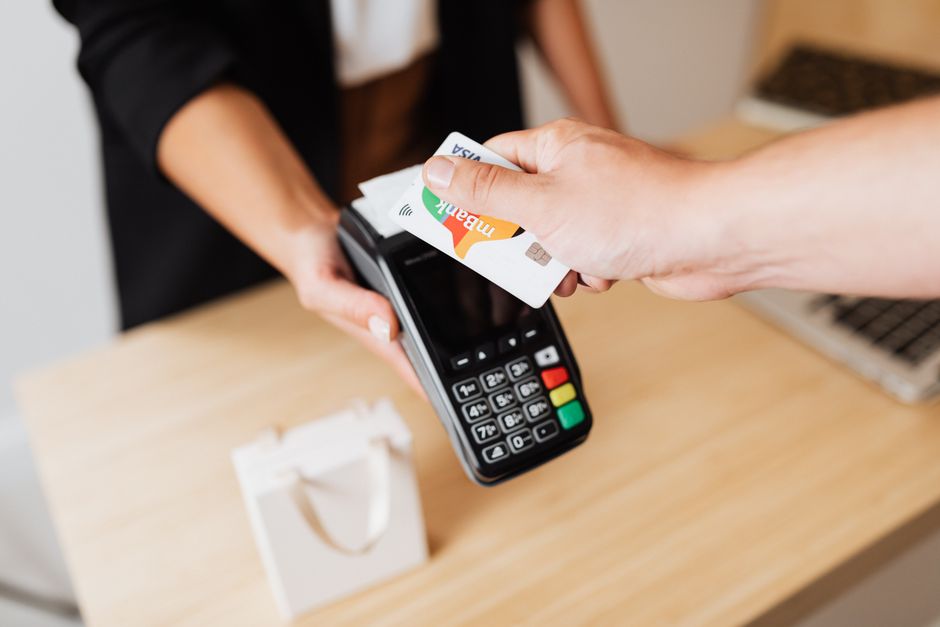
- Benefit: Users enjoy streamlined payments without re-entering financial details.
- Blind Spot: Users may overlook verifying purchases, assuming carriers vetted every vendor.
It's important to stay vigilant and perform due diligence in monitoring your phone bills and understanding the details of each charge.
Summary Table: Common Causes and Recommended Actions for Unexpected Phone Bill Charges
Cause Description Recommended Action Forgotten Subscription Renewing services or trial memberships you no longer use. Review subscriptions and cancel those no longer needed. Third-Party Vendor Charges Charges made by merchants billing through your carrier with unclear names. Contact billing support to clarify vendor information. Unauthorized/Fraudulent Charges Charges from apps or services you did not approve. Report to carrier billing support immediately and secure your account. Technical Errors Incorrect or duplicate billing due to system glitches. Request billing support investigation and refund if applicable.Final Thoughts
Unexpected phone bill charges linked to carrier billing can be unsettling but are manageable with a clear approach. Understanding how carrier billing works, carefully monitoring your account https://www.thecoastlandtimes.com/sponsored-content/pay-by-phone-how-carrier-billing-quietly-became-an-everyday-payment-method-4a6c068e/ activity, and promptly engaging billing support are key steps to resolving disputes effectively. By staying informed and vigilant, you can enjoy the convenience of carrier billing without the worry of unrecognized charges.
If you ever spot an unexpected charge, don't delay in reviewing and disputing it. Your proactive actions make a meaningful difference in avoiding billing headaches and protecting your financial wellbeing.