Is Clairemont a Good Place to Find a Watch Buyer Near Me?
Clairemont can be a practical place to start when you are looking for a watch buyer near me in San Diego. It is a centrally located community, so comparing local options may be easier than traveling across the county. But a nearby shop is not automatically the right buyer—or the best place to establish what your watch is worth.
If you are considering selling a Rolex, the useful questions are more specific: Can the buyer explain how they assess authenticity and condition? Will they identify the watch before making an offer? Do they buy outright, or are they offering consignment? And are they evaluating the watch itself, or relying mostly on a box, paperwork, or a quick visual impression?
This guide explains what to look for when arranging a watch appraisal San Diego sellers can use to make an informed decision. It also covers common Rolex identification pitfalls, what “box and papers” actually means, and how reference and serial numbers can help unlock more meaningful information.
Can You Find a Watch Buyer in Clairemont?
Clairemont is a Great site reasonable starting point for searching for a watch buyer near me, but do not assume that every jewelry or pawn business buys fine watches, handles Rolex, or provides a formal appraisal. Call ahead and ask what brands the business evaluates, whether it purchases watches directly, and what you should bring. You can also compare options in nearby San Diego communities if a local buyer does not have the expertise or buying model you need.
Companies such as Diamond Banc may be one option to research as part of that comparison. The right fit depends on what you want: a direct purchase, a loan secured by the watch, consignment, or simply an independent assessment before deciding what to do. Ask what the appointment includes and whether there is a charge for an appraisal or evaluation.
Look beyond a shop’s location or a headline offer. A useful evaluation should consider the watch’s identity, originality, condition, service needs, and current demand. A buyer should be able to explain the basis for an offer in plain language. If the explanation is only “Rolex is valuable,” that is not enough to make a confident decision.
Before You Go: Gather the Watch and Its History
Bring the watch in its current state, along with anything that came with it: a box, warranty card, older paper certificates, receipts, service records, extra links, or other accessories. These items may help establish history or completeness, but they are not substitutes for examining the watch itself.
And before I assess a watch, I want to know where it was stored: a Ziploc bag, a coffee can, a dresser drawer, or somewhere else? Storage can help explain moisture exposure, scratches, missing parts, or why the watch has not been running. It does not authenticate the watch, but it is useful context.
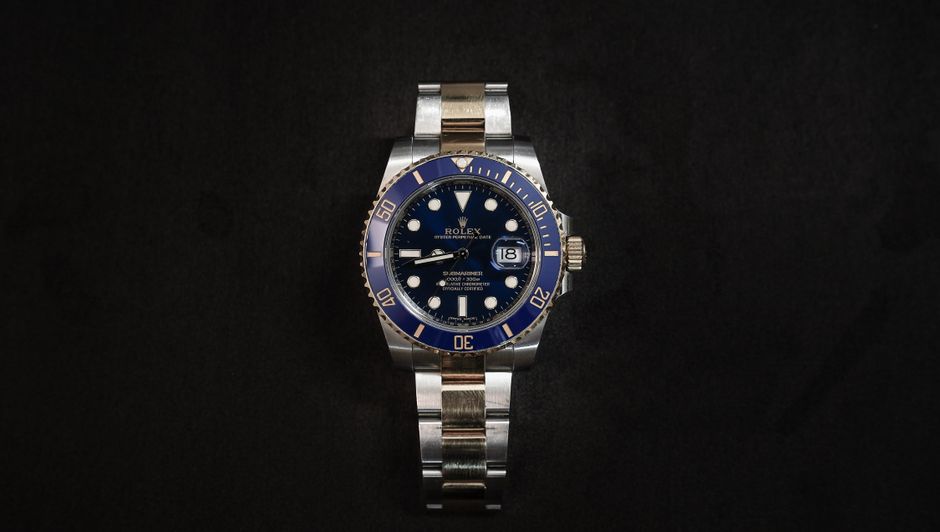
One more question: when you say “papers,” what exactly do you mean? People use that word for different things. A warranty card, an older paper certificate, a service receipt, and an appraisal document are not interchangeable. Tell the buyer precisely what you have, and bring the original items if possible.
Why Home Authenticity Tests Are Not Enough
Online videos and forum posts can be useful for learning basic terminology, but home tests are not a reliable way to authenticate a Rolex or determine its resale value. A watch can appear convincing in photographs and still have replaced, mismatched, refinished, or counterfeit components. Conversely, an unusual detail is not automatically proof that a watch is fake; older watches may have legitimate variations or service history that need knowledgeable interpretation.
Ever notice how be cautious about relying on any single shortcut, including how a watch ticks, its weight, a sound recording, a magnet, a date change, or a magnified look at one feature. Counterfeits change over time, and genuine watches may have had parts replaced during service. A visual check where to verify Rolex authenticity at home cannot reliably establish what is inside the case or whether important components belong together.
Do not open the case yourself just to inspect the movement. Opening a watch without proper tools and training can damage the case, compromise water resistance, or create problems that cost money to correct. Similarly, avoid polishing the case before an appraisal. Polishing can soften edges and alter the shape of the watch, and it may reduce collector appeal. Let a qualified professional assess the condition before you make changes.
What a Professional Evaluation Can Address
A careful evaluation may include the watch’s identifying details, condition, originality, function, and any available service history. The evaluator may also need to inspect the movement and compare components against information for the watch’s production period. The exact process depends on the watch and the purpose of the visit.
Remember that authentication and valuation are related but separate questions. A watch may be genuine yet need service, have replaced parts, or be less desirable to a particular buyer. An appraisal should explain what is being assessed and whether the figure is an estimate for insurance, a resale opinion, or an offer to buy. Those figures can differ because they answer different questions.
Modern and Vintage Rolex Identification Pitfalls
Modern Rolex watches and vintage Rolex watches can present different identification challenges. Newer watches may have clearer documentation and more accessible reference information, but a warranty card does not by itself prove that every component is correct or that the watch has never been altered. A card should be examined in context and compared with the watch rather than treated as a complete authentication result.
Vintage watches require particular care. Over decades, a watch may have received replacement parts, service components, a refinished dial, a replacement bracelet, or repairs that affect originality. Some changes may be consistent with ordinary maintenance; others may affect collector interest. A component that looks different from a modern example is not automatically wrong, and a component that looks old is not automatically original.
That is why broad claims such as “all vintage watches should look exactly like the catalog photo” are not dependable. Production changes, service history, and legitimate variation matter. A buyer should explain which observations are influencing the assessment instead of making a sweeping judgment from one detail.

What Box and Papers Can—and Cannot—Do
A matching original box and documentation can make a watch more complete and appealing to some buyers. Depending on the watch and its market, completeness may support a stronger resale presentation. But the effect is not automatic, and it does not mean that a watch without papers is worthless. The watch’s identity, condition, originality, and demand still matter.
For newer watches, the warranty card is credit-card-sized. Older Rolex documentation may be paper certificates. Buyers may also use “papers” to refer to receipts or service records, so clarify what is actually present. A box can also be a replacement or may not belong to the watch. Do not assume that accessories match simply because they were stored together.
Most importantly, box and papers do not authenticate a watch on their own. Documents can be separated from a watch, and paperwork can be incomplete or inconsistent. A buyer should compare the available information with the watch and explain whether the accessories affect the offer—and by how much, if they can say so responsibly.
Item What it may help with What it does not establish by itself Warranty card or older paper certificate May provide identifying or purchase-related information, depending on the document That the watch is authentic, unaltered, or correctly matched to the document Original box May improve completeness and presentation for some buyers That the box originally came with that specific watch Service records or receipts May help explain maintenance and ownership history That every current component is original or that the watch is in a particular conditionReference and Serial Numbers: What They Unlock
Reference and serial numbers can help a qualified evaluator identify and research a watch. The reference number is associated with a particular watch configuration or family, while the serial number can contribute to identification and production-era research. The details and availability of these numbers vary by watch and period.
These identifiers can help narrow down what a buyer should compare: the case, dial, bezel, bracelet, movement, and other features. They may also help a buyer look into production context and assess whether the watch appears consistent with its identification. In other words, they can turn a broad conversation about “a Rolex” into a more specific evaluation of the watch in front of you.
Numbers are not a magic authenticity test. They can be copied, altered, or associated with a counterfeit, and a number alone does not prove that the watch is genuine or that its parts are correct. Avoid publishing clear photos of identifying numbers online before you understand the privacy implications. For an in-person evaluation, let the professional inspect them and explain how they use the information.
The scraped content available for this topic does not provide specific Rolex model names, reference numbers, or dollar prices. None should be inferred or invented. A responsible buyer needs the actual watch and its identifying details before giving a meaningful, watch-specific opinion.
How to Compare Offers in San Diego
If you plan to sell Rolex San Diego buyers may offer different amounts depending on their buying model, assessment, and ability to resell the watch. A direct buyer may be able to complete a purchase quickly, while a consignment arrangement may take longer and involve different fees or terms. A loan is not a sale, so be sure you understand the agreement before leaving the watch.
To compare options fairly, ask each business the same questions:
- Do you buy Rolex outright, offer consignment, or provide loans?
- What information and condition factors are driving your assessment?
- Does the evaluation include an inspection of the watch, or is it preliminary?
- Are there fees, commissions, or conditions attached to the offer?
- How long is the offer valid, and what identification or paperwork do you need?
- Will you provide a written receipt and document the transaction?
Do not feel pressured to accept an offer during the first appointment. If the watch may have significant vintage or collector interest, consider seeking another qualified opinion. Comparing two clear explanations is more useful than collecting several unexplained estimates.
Finding the Right Watch Appraisal San Diego Sellers Can Use
Searching for “watch appraisal San Diego” or “watch buyer near me” is a helpful start, but verify what a business means by “appraisal.” An insurance appraisal, a resale estimate, and a cash offer are not the same thing. Ask which one you are receiving, what the written document covers, and whether it reflects an actual purchase offer.
You can also use local publications and directories, including the San Diego Reader, to research San Diego businesses and get a sense of the local landscape. Still, a directory listing or review cannot replace a direct conversation about the evaluator’s process and the specific watch you own.
A Practical Clairemont Checklist
- Call ahead to confirm that the business evaluates and buys the kind of watch you have.
- Bring the watch, its accessories, and any warranty card, older paper certificate, receipts, or service records.
- Explain what you know about its history and where it was stored.
- Do not polish, open, or repair the watch before an initial assessment unless a qualified professional recommends it.
- Ask how reference and serial numbers are being used and what the evaluation does—and does not—conclude.
- Compare the terms and reasoning behind offers, not just the headline amount.
Clairemont can be a convenient place to begin looking for a watch buyer near me, but the best result comes from finding a buyer who can identify the watch carefully and explain the process. A box, a document, or an online test may provide clues; none replaces a proper evaluation. Bring what you have, ask precise questions, and give yourself room to compare before deciding whether to sell.